Polaroid Transfer Pin-up
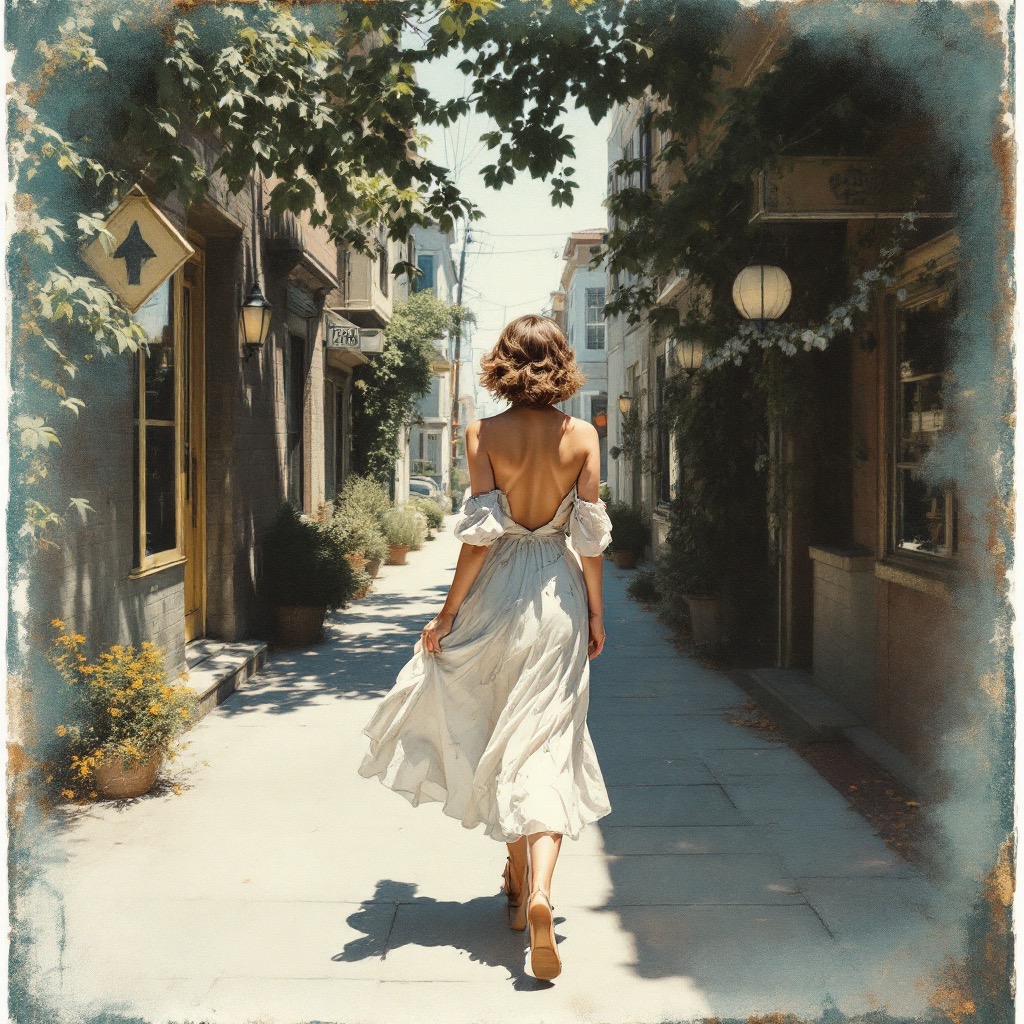
A photographic AI art style prompt drawing on Pin-Up and Americana. Copy the prompt below into any text-to-image model, then add your own subject at the end. The prompt only describes the look.
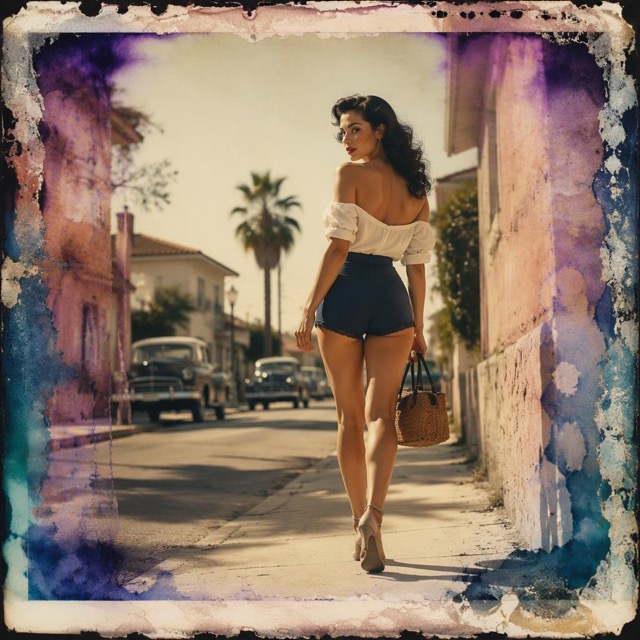
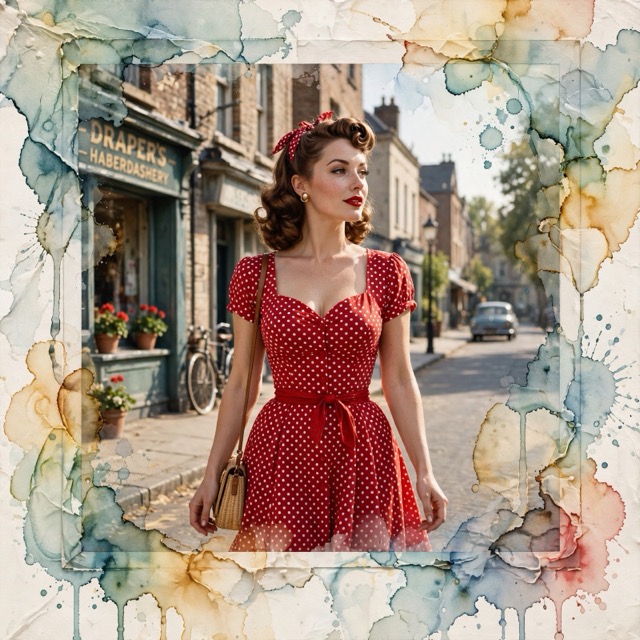
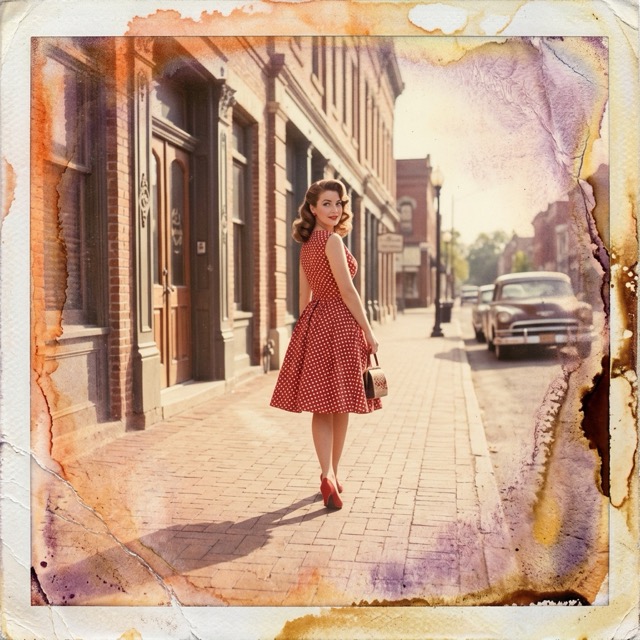
On 4 models
The same prompt and the same subject, rendered by different image models — so the differences are the model, not the prompt.

The prompt
Original
A fusion of Elvgren+Vargas+Rockwell+Polaroid emulsion transfer where traditional pin-up glamour meets deliberate chemical distressing, introducing watercolor-like texture bleeds at composition edges while maintaining pristine central rendering. The signature idealized rendering remains untouched while the surrounding areas receive selective texture disruptions, subtle color migration effects, and minimal chemical artifact patterns. This fusion preserves the nostalgic narrative quality while adding experimental photographic dimensionality, creating tension between the perfectly rendered passages and the deliberately imperfect medium, suggesting a contemporary artistic process applied to classic imagery.
Render on BudgetPixel: FLUX 1.1 pro · GPT-Image-2 · Muse 1.0 · Nano Banana 2.1
Model-neutral
The same look with artist names and copyrighted references removed — for models that refuse them.
A fusion of pin-up glamour + Polaroid emulsion transfer where traditional pin-up glamour meets deliberate chemical distressing, introducing watercolor-like texture bleeds at composition edges while maintaining pristine central areas. The signature idealized surfaces remain untouched while their environments receive selective texture disruptions, subtle color migration effects, and minimal chemical artifact patterns. This fusion preserves the nostalgic narrative quality while adding experimental photographic dimensionality, creating tension between the perfectly rendered regions and the deliberately imperfect medium, suggesting a contemporary artistic process applied to classic imagery.
Render on BudgetPixel: FLUX 1.1 pro · GPT-Image-2 · Muse 1.0 · Nano Banana 2.1
Effect only
The recipe removed — no artists, no wild card, no movements. Only what the style does to a surface.
Perfectly modelled central subjects remain smooth, tightly painted, and unblemished. Surrounding areas show deliberate chemical distress: watercolor-like blooms bleed inward from edges, pigments migrate into thread-like veined patterns, and crinkled emulsion creases catch light. Edges between pristine and disrupted matter are hard but irregular. The result is a tactile pulling between fine rendering and material decay, as if the surface is actively changing.
Render on BudgetPixel: FLUX 1.1 pro · GPT-Image-2 · Muse 1.0 · Nano Banana 2.1
Using it
- Paste the prompt, then add your subject after it — for example …, a lighthouse on a cliff at dusk.
- The original names artists. Some hosted models refuse that or quietly render around it — on those, use the model-neutral version, which describes the same handling without the names.
- The effect-only version drops the recipe altogether and describes only what the style does to a surface. Use it to mix this look into another style, or when you want nothing traceable to a source.
- Every sample here was rendered against the same short subject — Quiet streets whisper / Her footsteps echo softly / Sunlight paints her path — so it shows the style, not a lucky subject.
Tags
Similar styles
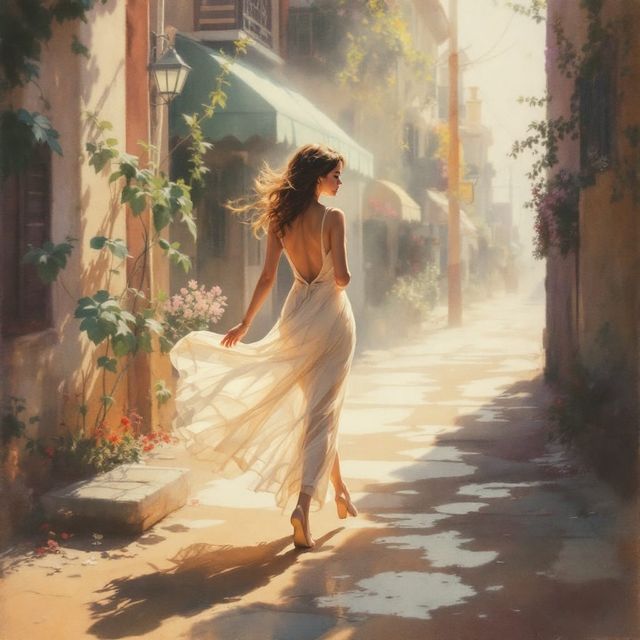 VintaguaA fusion of Gil Elvgren + John La Gatta + Charles Bartlett where polished realism enhances subject appeal, fluid…
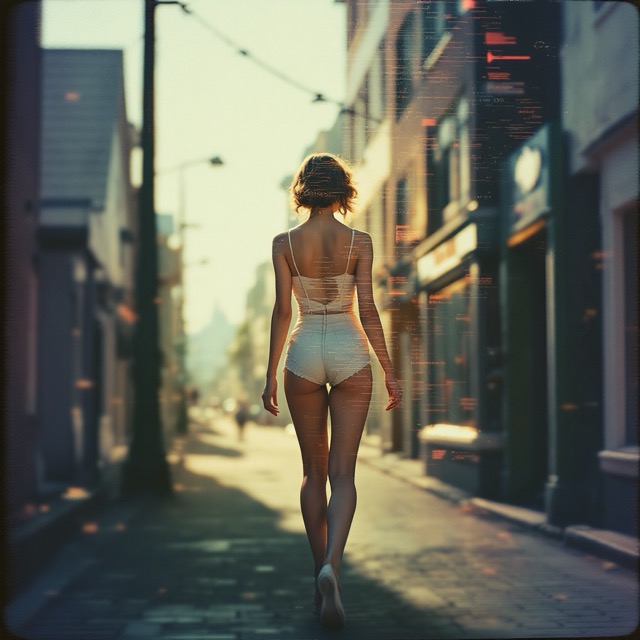 QuantumGlitch Overlay + Poloroid TransferRyoji Ikeda-inspired glitch photography with fractal mathematics. Transparent overlay of digital artifacts, hexagonal…
 Pinup FuturismSimon Stålenhåg + Beeple + Gil Elvgren pinup glamour, where Stålenhåg's photorealistic rendering creates melancholic…
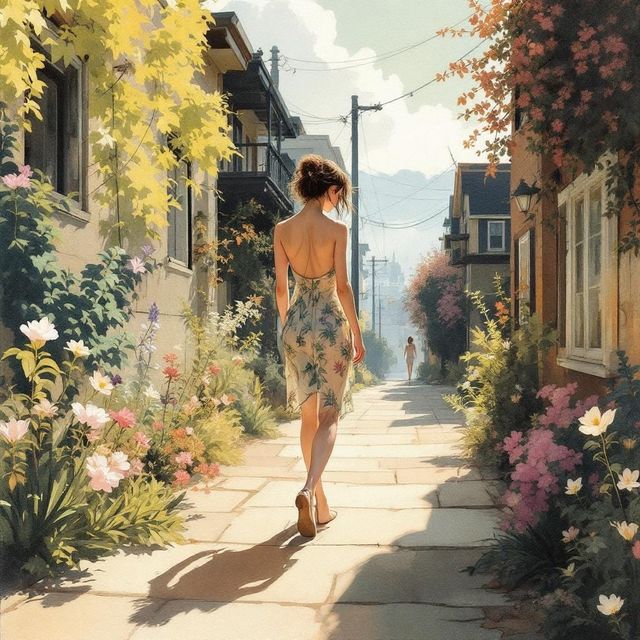 TranslucentNouveauAudrey Kawasaki + Hope Gangloff + Art Nouveau, where Kawasaki's delicate linear precision creates luminous transparency…
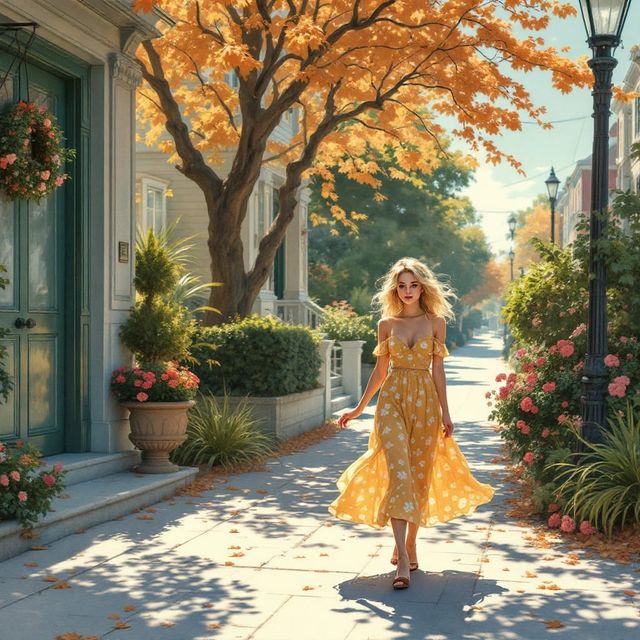 IngresetteA fusion of Ingres + Gil Elvgren + Rockwell's americana where neoclassical precision meets playful optimism with…
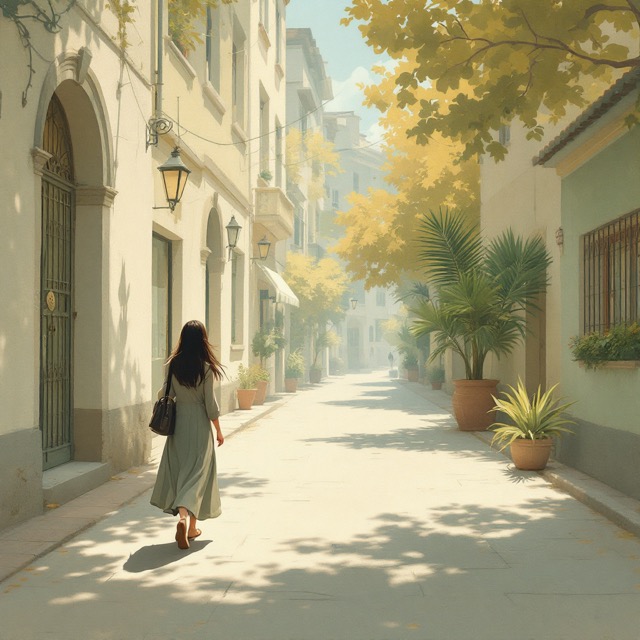 Pastoral MelancholyDice Tsutsumi + Sam Spratt + contemporary storybook sensibility, where Tsutsumi's painterly stylization creates…
 Wet Paper FlushJohn Singer Sargent + Anders Zorn + wet watercolor on textured paper, where Sargent's loose brushwork creates visible…
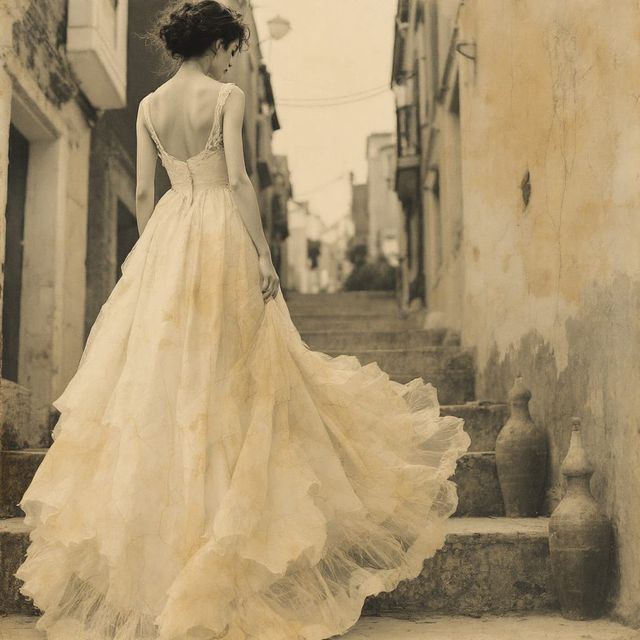 Weathered BotanicalPierre-Joseph Redouté + Andrew Wyeth + Pressed Botanical Aesthetic, where Redouté's illustrative precision creates…