Gouged Black Hairline
Style #702 · Print/Graphic · sample rendered with flux-1.1-pro
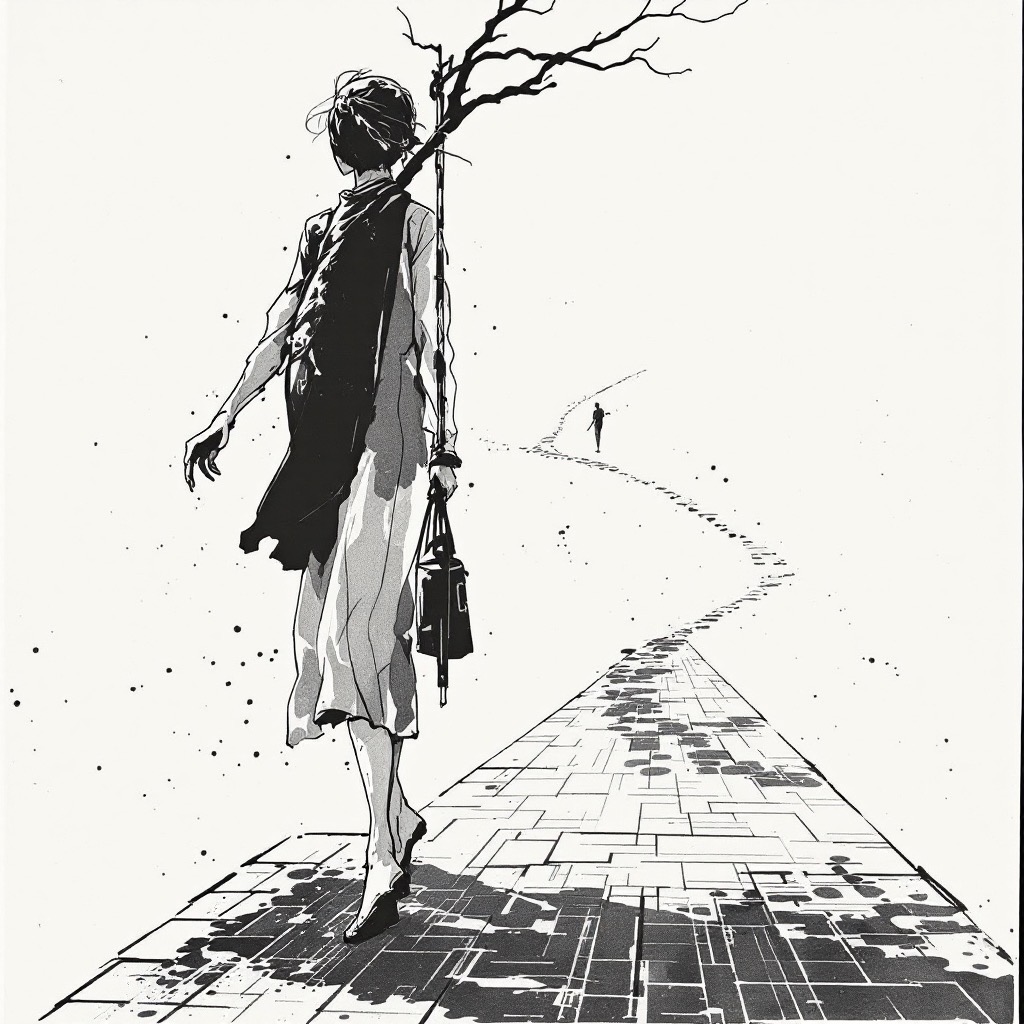
Other models
The same style prompt and the same subject, rendered by a different model.
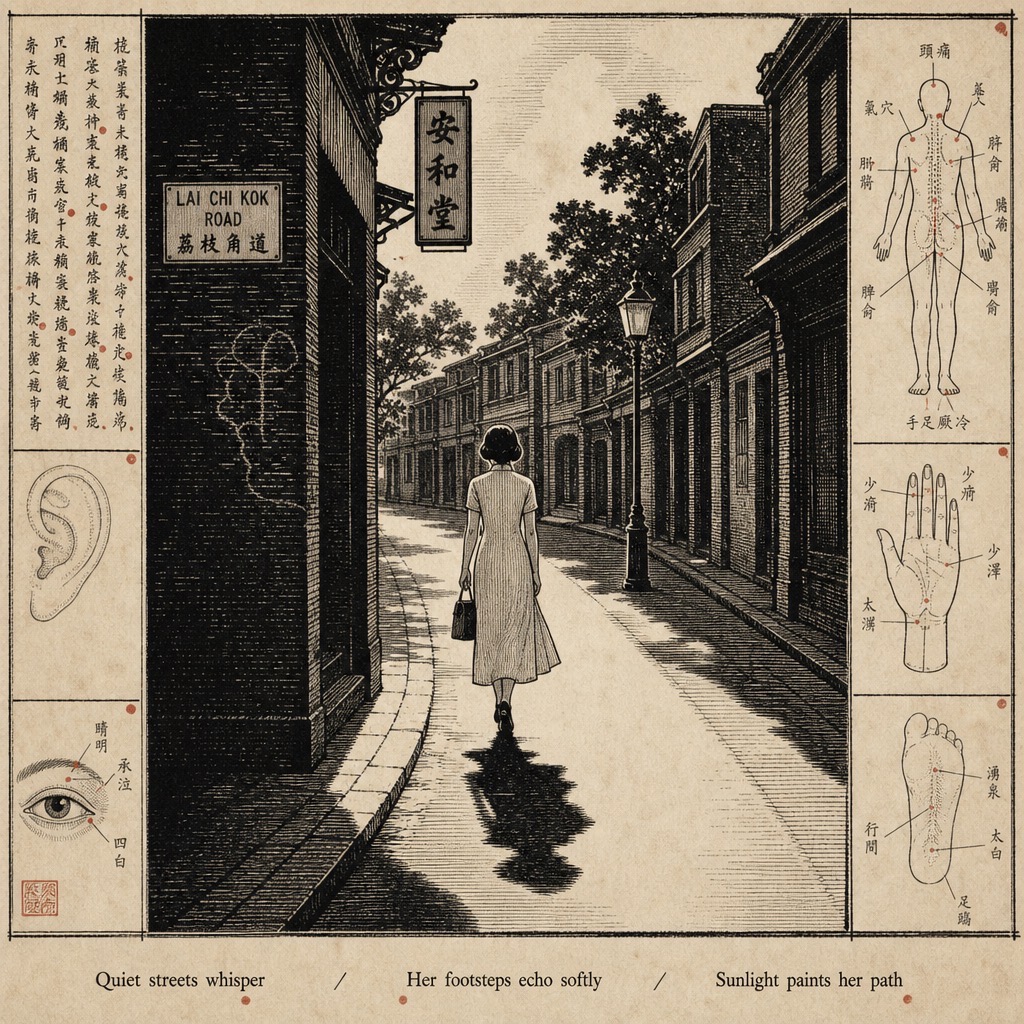
gpt-image-2-low
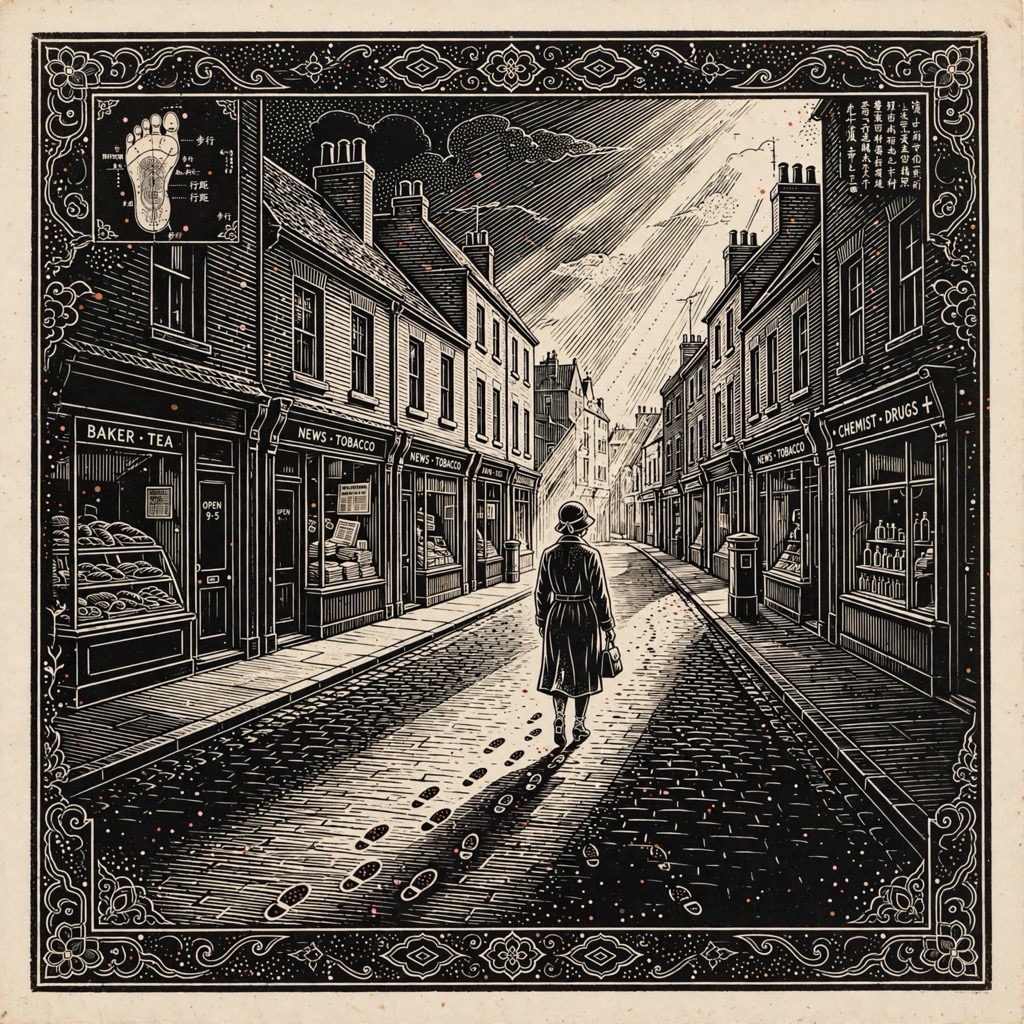
muse-image-1.0
Style prompt
Agnes Miller Parker + Joost Swarte + Dunhuang moxibustion chart manuscripts, where Parker's white-line wood engraving creates velvety solid blacks through tiny white gouge nicks cut into ink, Swarte's ligne claire produces uniform-weight hairline contours via closed, even strokes that leave interiors as bare paper, and the Dunhuang copyists' amateur brush infuses wobbling unmodelled outline and sparse vermilion pinprick marks. The fusion manifests as stippled tonal modelling, long parallel hatching that thins toward light, and strict black-or-void value splitting, transforming any subject through ink-only economy.
Model-neutral prompt
Same look, with artist names and copyrighted references removed — clears content filters.
1930s British white-line wood engraving + Franco-Belgian ligne claire + Dunhuang monastery medical-chart manuscripts, where tiny white gouge nicks cut into a solid ink ground create velvety solid blacks, closed even strokes of constant weight produce uniform hairline contours that leave interiors as bare paper, and the amateur copyist's brush infuses wobbling unmodelled outline and sparse vermilion pinprick marks. The fusion manifests as stippled tonal modelling, long parallel hatching that thins toward light, and strict black-or-void value splitting, transforming any subject through ink-only economy.
Effect-only prompt
The same look with the recipe removed — no artists, no wild card, no movements. Describes only what the style does to a surface.
Solid ink blacks with a velvety, finely nicked texture sit against empty paper-white shapes. Contours are one constant hairline weight, closed and slightly wobbly, with no taper or internal shading. Tone is built only from stipple and long parallel hatching that thins toward the light. Forms stay flat and unmodelled. Rare tiny vermilion dots are the only second pigment.